 blog
Affordable Storage for Seasonal Gear: 7 Cost-Smart Ideas
Last Updated: October 23, 2026
Quick Summary
Affordable storage for seasonal gear starts with free prep: clean and fully dry every item, then match the container to the material. Clear plastic totes ($8-$15) suit most gear, breathable bags protect wool and down, and cardboard fails fast. For under 10 bins, home storage wins.
- Wash and air-dry all gear for a full day before packing, since trapped damp causes mildew.
- Store wool and down in breathable bags, not vacuum bags, because compression breaks down loft.
- Store tents loose rather than compressed in the stuff sack to avoid weak fold lines.
- A 5x5 storage unit handles holiday decor, a few clothing bins, and small gear.
- National self-storage rates averaged $133 per month in May 2026, down 2.2% year over year.
Table of Contents
- Why Affordable Storage for Seasonal Gear Starts With Prep
- Cheap Seasonal Storage Ideas That Actually Hold Up
- How to Store Camping Gear So It Survives the Off-Season
- Picking the Right Storage Unit Size for Seasonal Items
- Long-Term Storage Tips for Outdoor Gear
- Saving Space in Small Closets and Apartments
- Comparing Upfront and Long-Term Storage Costs
- Frequently Asked Questions
Why Affordable Storage for Seasonal Gear Starts With Prep
Affordable storage for seasonal gear is less about buying the cheapest bin and more about what you do before anything goes into it. Prep work costs nothing but time, and it prevents the two things that wreck stored gear: trapped moisture and pests.
Mold spores spread fast in a sealed tub. Food crumbs in a tent bag draw mice. Ski wax left on a base yellows and cracks. A little prep now saves you from replacing gear later.
Clean and Dry Everything Before It Goes Away
Mud, sweat, and sunscreen all break down fabric over months. So wash everything first.
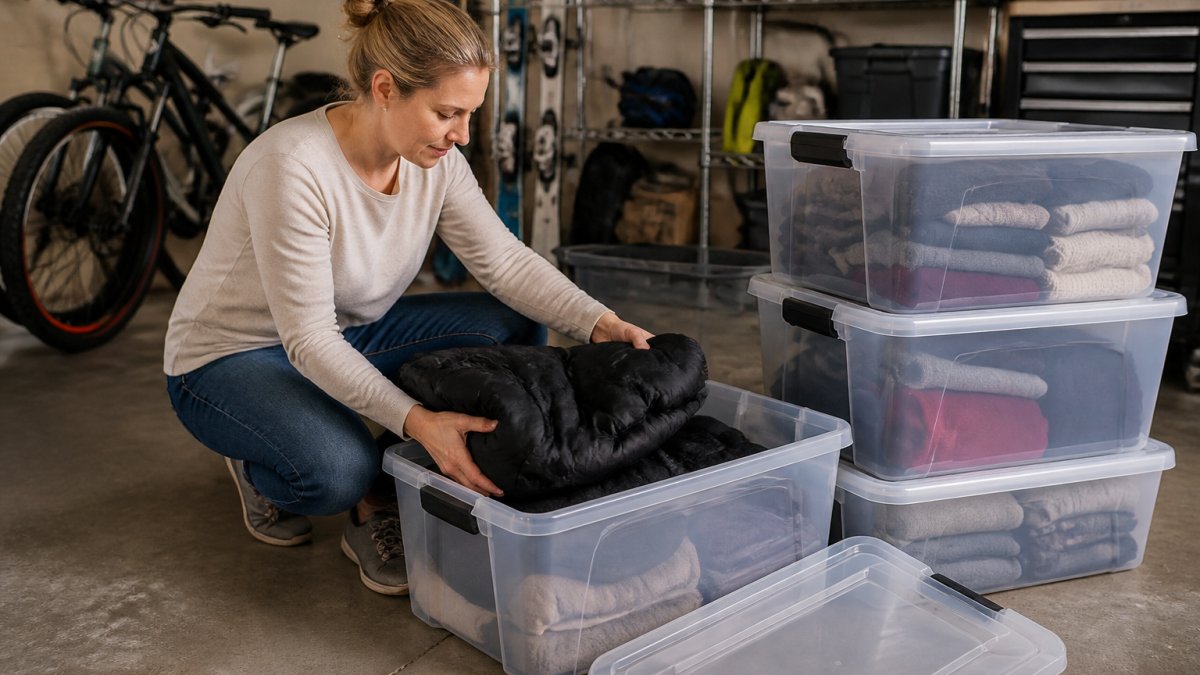
- Machine-wash coats and fleece on gentle, then air-dry fully
- Wipe down boots with a damp cloth and let them dry away from heat
- Empty every pocket, then vacuum tent floors and sleeping bag shells
The rule is simple: if you can feel any dampness, it isn't ready.
Label and Inventory as You Pack
A cheap bin becomes useless if you can't find what's inside it. Tape a strip of masking tape to each lid and write the contents and season.
Keep a running list on your phone. Note what's in each container and where it sits. This one habit saves hours of digging and stops you from buying a third pair of gloves you already own.
Cheap Seasonal Storage Ideas That Actually Hold Up
Cheap seasonal storage ideas work when they match the item to the container. The wrong bin wastes money twice: once when you buy it, and again when it fails.
Containers Ranked by Cost and Protection
| Container | Upfront Cost | Protection Level | Best For |
|---|---|---|---|
| Cardboard boxes | Lowest | Low | Short-term, dry goods only |
| Clear plastic totes | Low to mid | Good | Most clothing and gear |
| Vacuum-sealed bags | Low | Good for bulk | Bulky coats, duvets, bedding |
| Breathable fabric bags | Low | Good airflow | Wool, down, leather |
| Stackable rigid bins | Mid | High | Heavy gear, tools, boots |
Cardboard is the trap most people fall into. It soaks up humidity, invites pests, and collapses when stacked.
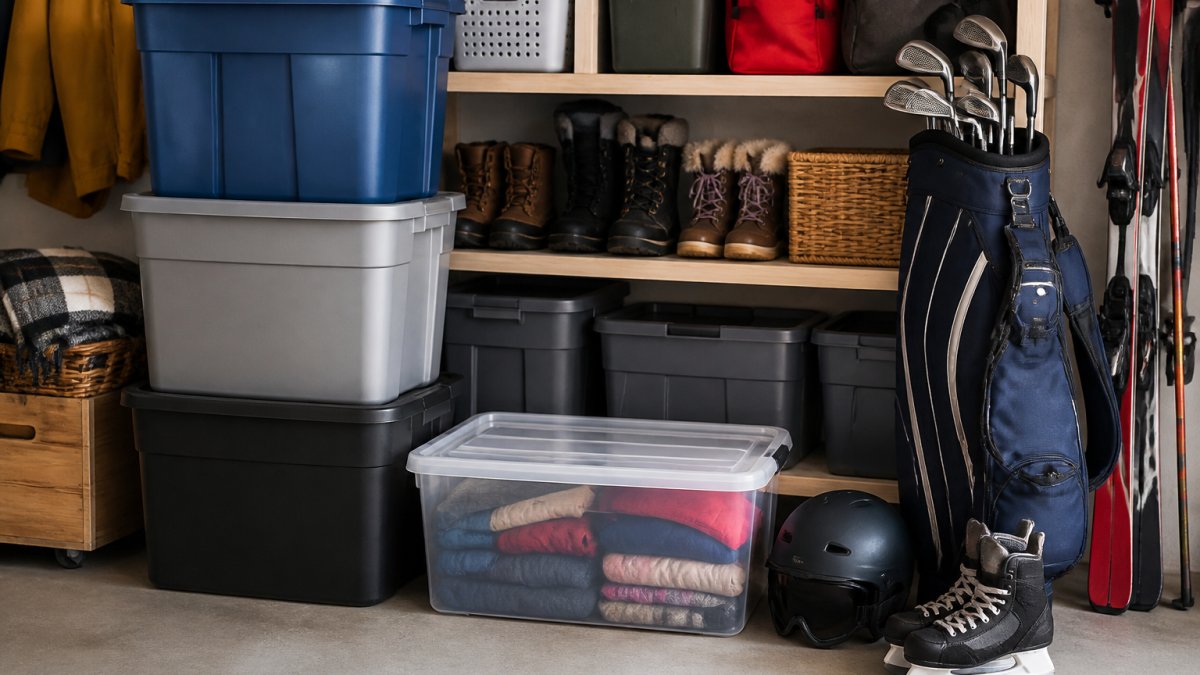
Clear plastic totes are the workhorse. You can see what's inside, they stack, and they keep moisture and bugs out.
Vacuum-sealed bags crush bulky items down to a fraction of their size. They're great for winter coats and duvets.
Breathable fabric bags matter for natural fibers. Wool, down, and leather need airflow.
How to Store Camping Gear So It Survives the Off-Season
Camping gear fails in storage more often than it fails in the field. Knowing how to store camping gear properly keeps tents, bags, and stoves ready for next season, and the same item-by-item logic applies to the rest of your seasonal gear, from skis to holiday lights to patio cushions.
Camping and backpacking gear
- Tents: Clean and dry fully, then store loose, never compressed in the stuff sack. Fold lines become weak points, and trapped damp turns into mildew. A mesh laundry bag or pillowcase works as a cheap breathable container.
- Sleeping bags: Hang or store in a large breathable sack to protect loft. Compression kills insulation over time, so skip the vacuum bag for down and synthetic bags alike.
- Stoves: Empty all fuel, clean the burner, and store indoors. Fuel canisters should never sit in a hot garage or shed.
Store camping gear off the floor. A shelf or pallet keeps it away from damp concrete and crawling pests.
Skis, snowboards, and winter sports gear
- Skis and snowboards: Scrape and wax bases before summer storage; leftover wax and dirt yellow the base and dry out the edges. Store upright in a rack or against a wall, not leaning on the tips.
- Boots: Buckle loosely, remove liners if removable, and dry fully before storing. A cheap boot tree or rolled newspaper preserves the shell shape.
- Helmets and goggles: Keep goggles in a soft bag, not a sealed bin, and store helmets away from heat that degrades foam.
Holiday decorations
- Lights: Wrap around a cardboard tube or a plastic hanger to prevent tangles; a $2 pool noodle works the same way. Test strands before packing so you know what to replace in November.
- Ornaments: Egg cartons and divided cardboard boxes are free alternatives to store-bought ornament organizers.
- Artificial trees: Store in the original box if it survived, or a breathable tree bag; a sealed plastic bag traps moisture and can mildew the branches.
Patio and outdoor furniture
- Cushions: Wash and dry fully, then store indoors or in a breathable deck box. Sealed plastic traps humidity and encourages mildew.
- Metal frames: Wipe down and apply a light coat of oil to joints to stop rust; store off the ground.
- Umbrellas and fabric: Retract and dry before storing; never fold a wet umbrella canopy for months.
Sports equipment
- Bikes: Hang by the frame or wheels, not by the cables, and keep tires off concrete to avoid flat spots.
- Balls and inflatables: Deflate slightly to relieve seam stress, and store away from heat that warps rubber.
- Protective pads: Air out and store loose; compressed foam loses its shape over months.
The common thread: match the container to the material. Breathable bags for anything that can mildew, rigid bins for hard goods, and never a sealed tub for damp gear.
Picking the Right Storage Unit Size for Seasonal Items
The right storage unit size for seasonal items depends on volume, not item count. Most households need far less space than they think.
A 5x5 unit handles holiday decor, a few bins of clothing, and small gear.
Measure your packed bins before you rent. Stack them in a corner at home first.
Short-term rentals make sense for moves or between-season gaps.
Long-Term Storage Tips for Outdoor Gear
Long-term storage tips for outdoor gear come down to three things: airflow, pest control, and inspection. Gear that sits untouched for a year needs a plan.
- Check stored items every few months for damp or pests
- Keep a pest strip or cedar block near fabric items
- Store metal gear with a light coat of oil to stop rust
Heat is the quiet killer. Attics and sheds swing from hot to cold, and that cycle damages rubber, plastic, and adhesives. A climate-controlled unit or a cool indoor closet protects gear far better.
Saving Space in Small Closets and Apartments
Small closets and apartments punish bulky storage. Saving space in small closets means using vertical room and hidden zones.
- Use under-bed storage bins for off-season clothing
- Hang coats on slim hangers to double rod capacity
- Add stackable bins on the top shelf
Wardrobe rotation is the key habit. Pack away summer clothes when fall arrives, and pull them back out in spring. You free up closet space and protect off-season garments at the same time.
For apartments with no storage at all, a small self-storage unit often costs less than upgrading to a bigger place.
Comparing Upfront and Long-Term Storage Costs
Comparing storage costs means looking past the sticker price. The cheapest option upfront often costs more over a year, and the only fair comparison is cost per item stored per year, including the space the container eats in your home.
Container cost per item, per year
| Container | Typical upfront cost | Expected lifespan | Cost per item per year (rough) |
|---|---|---|---|
| Cardboard box | $0-$3 | One season or less | Low, but replacement risk is high |
| Clear plastic tote (66 qt) | $8-$15 | 5-10 years | Under $1 |
| Vacuum-sealed bag | $3-$8 | 2-4 seasons | Under $1, but puncture risk |
| Breathable cotton bag | $5-$12 | 5+ years | About $1 |
| Stackable rigid bin | $15-$30 | 10+ years | About $1-$2 |
Cardboard boxes are nearly free but fail fast, one damp season and the bottom drops out, taking the contents with it. Plastic totes cost a bit more and last for years.
Add up the real cost: the container, the replacement risk, and the space it eats at home. A mid-priced stackable tote that lasts a decade beats three rounds of cheap boxes.
What self-storage actually costs
For larger volumes, a storage unit often wins on total cost. National self-storage rates sat at $133 per month in May 2026, down 2.2% from the year before, according to HireAHelper's 2026 self-storage trends report.
Budget for the fees beyond rent:
- Deposit: Often one month's rent, refundable on move-out.
- Insurance or protection plan: Commonly $10-$25 per month, and many facilities require it.
- Climate control: Adds roughly 20-40% to the base rent in most markets; worth it for electronics, leather, and anything that warps.
A 5x5 unit runs about $1,600 per year before fees, which is why self-storage makes sense for bulky gear that would otherwise force a bigger apartment, not for a few bins of coats.
The decision rule
- Under 10 bins: Home storage wins. A $15 tote that lasts a decade costs about $1.50 per year.
- 10-30 bins or bulky items (bikes, skis, patio furniture): Compare a small unit's all-in monthly cost against the value of the closet or garage space you reclaim.
- More than 30 bins or furniture: A 10x10 unit is usually the better per-cubic-foot deal than stacking bins in a living room.
Demand is broad, too. StorageCafe's 2026 demand report notes that 1 in 4 Americans rents a self-storage unit. That tells you it's a normal part of managing a household, not an emergency move.
The cheapest storage decision is the one you only make once. Match the container to the item, prep everything before it goes in, and the total cost drops over time.
Frequently Asked Questions
What is the cheapest storage solution for seasonal gear?
For most households, the cheapest option is what you already own: clear plastic totes and vacuum-sealed bags used in a closet, garage, or under-bed space. Those cost a one-time amount and no monthly fee. A self-storage unit makes more sense when you run out of room or need to protect bulky items like kayaks, bikes, or patio furniture. Weigh the recurring cost against the value of what you are storing before you rent.
How do you choose the right storage unit size for seasonal items?
Start by grouping your gear by bulk, not by count. A 5x5 unit typically holds the contents of a small closet, which suits a few totes of off-season clothing and decorations. A 5x10 fits a bedroom's worth of items, including bikes and boxed gear. A 10x10 handles larger loads like patio furniture, camping equipment, and holiday decorations together. Measure your stacked totes and add a walkway before you commit, and ask the facility whether a smaller unit plus shelving would cost less.
How should you prepare camping gear for long-term storage?
Clean and fully dry everything first. Dirt holds moisture, and moisture is what causes mold and odors over months in storage. Empty fuel from stoves, remove batteries from lanterns, and loosen tent seams so they do not crease. Store sleeping bags uncompressed in a breathable bag rather than a stuff sack, since long-term compression damages insulation. Pack gear into stackable plastic totes with a moisture absorber, label each one, and keep the whole set off the floor on a pallet or shelf.
Is it cheaper to store seasonal gear at home or in a storage unit?
At home costs less per month, but only if you have the space. Totes and vacuum bags are a one-time purchase, while a unit runs monthly. Renting makes financial sense when your gear is bulky, your closets are full, or you need climate protection for furniture and heirlooms. Compare a year of unit rent against the replacement cost of what you are storing.
Seasonal gear piles up fast, and closets only hold so much. If you're short on space, Red D Stor offers a secure facility with a simple rental process and clear communication, so you know exactly what you're getting. We keep things straightforward, from short-term rentals during a move to long-term space for holiday decor and outdoor gear. Get started with Red D Stor and give your seasonal gear a safe place to wait out the off-season.